The Ballarat Surgicentre team would like to thank all of its patients for such a wonderful year. Whether you were new to us in 2023, or have been with us for some time, we have thoroughly enjoyed meeting and caring for you.
We appreciate all of our lovely patients who have made this year so special and can’t wait for what 2024 has to bring.
We hope that you have a safe and happy holiday season with your family and friends, and look forward to seeing you in the New Year!
The sun’s ultraviolet (UV) radiation is the main cause of skin cancer. UV damage also causes sunburn, tanning, premature ageing and eye damage.
Skin cancer kills nearly 2,000 Australians each year – more than the national road toll – and two in three Australians will be diagnosed with skin cancer by the age of 70.
The good news is you can cut your risk of skin cancer by using good sun protection. It’s never too late for prevention, whether you’re six months or 60 years old.
Think UV not heat
UV radiation isn’t like the sun’s light or heat, which we can see and feel. That means we usually don’t notice the damage until it’s too late. The UV level can be as high on a cold or cloudy day as it is when it is a scorching hot day.
The free SunSmart Global UV app tells you when sun protection is recommended for your location and shows current UV levels. During the day’s sun protection times, use all five SunSmart steps for the best level of protection.
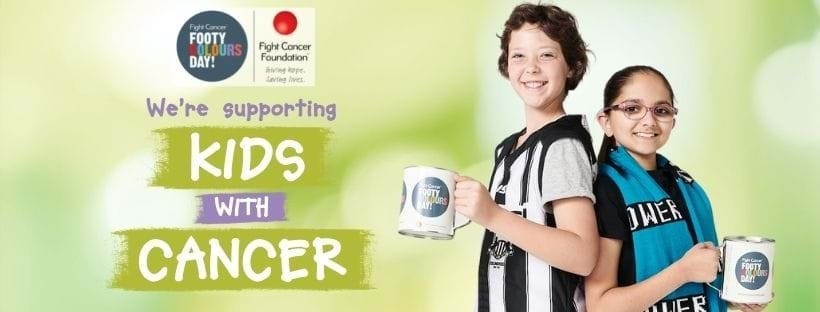
Its AFL finals fever! The Ballarat Skin Cancer Centre staff will be participating in Footy Colours Week from Monday 18th September to Thursday 28th September raising funds for kids with cancer. Staff will be getting into the spirit by wearing their beloved AFL team colours. All patients are encouraged to wear their team colours to their appointments.
Every dollar donated goes towards funding Fight Cancer Foundation’s education support programs, which helps kids with cancer keep up with school while receiving and recovering from lifesaving treatment.
If you wish to donate to this great cause, donations can be made in reception over the two weeks. We hope to see you around with your footy colours on!
We will provide an update of our fundraising efforts in the 1st week of October.
Spring is here and with every region across Australia, it is likely to reach high levels of UV over the spring months. Over-exposure to UV radiation causes 95% of melanomas. We encourage Australians to check the UV before you head outside, on the SunSmart app, via the Bureau of Meteorology’s website or your local weather forecast.
The UV Index is a tool you can use to protect yourself from UV radiation. It tells you the times during the day that you need to be SunSmart.
The UV Index divides UV radiation levels into:
low (1-2)
moderate (3-5)
high (6-7)
very high (8-10)
extreme (11 and above).
Look or listen for the UV Index when you are:
planning or participating in an outdoor activity or event
undertaking recreational activities such as running, swimming, cycling or team sports
watching a spectator sport, such as tennis or cricket
working outdoors, or have responsibility for outdoor workers, or
responsible for young children and their outdoor activities.
How do I get the UV Index?
The Index is reported in the weather page of all Australian daily newspapers, on the Bureau of Meteorology website, and on some radio and mobile weather forecasts. You can also find UV Alerts on the ARPANSA website.
SunSmart App
For smartphone users, the free SunSmart app is a great way to check the UV Index when you are out and about. iPhone users can download it at the iTunes App Store and Android users at the Google Play store.
So whether you are at work, home or on the move, you can easily and quickly check the times of the day when sun protection is needed.
UV Index widget
There is a huge variation in UV levels across Australia. The UV level is affected by a number of factors including the time of day, time of year, cloud cover, altitude, proximity to the equator, scattering and reflection.
Take away the guesswork by adding the free SunSmart widget to your website. The widget shows the sun protection times for your location in Australia, making it easier than ever to be smart about your sun exposure all year.
You can also check the Index for cities and towns across Australia.
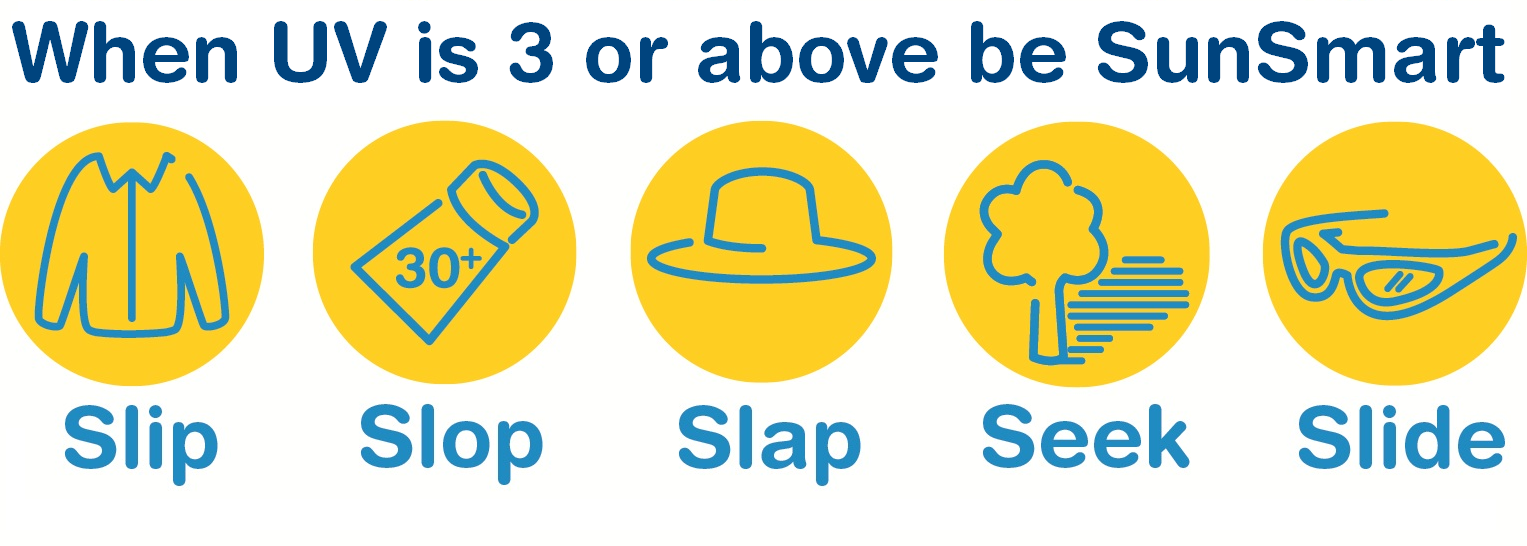
Fortunately, most skin cancers can be prevented by using all five forms of sun protection when the UV level is 3 or higher:
Slip on sun protective clothing that covers as much skin as possible.
Slop on broad spectrum, water resistant SPF30 (or higher) sunscreen. Apply 20 minutes before going outdoors and every two hours afterwards.
Slap on a hat – broad brim or legionnaire style to protect your face, head, neck and ears.
Seek shade.
Slide on sunglasses – make sure they meet Australian Standards.
Research shows that many Australians, particularly men, aren’t regularly using all five forms of sun protection. This year, Cancer Council Australia in partnership with the Australasian College of Dermatologists, is urging all Australians, especially men aged over 40, to be SunSmart and reduce their risk of developing skin cancer.
The team at the Ballarat Skin Cancer Centre are proud to be supporting the Dry July challenge to go alcohol-free for the month of July. Our staff have a raffle, baby photo competition and a range of other games and activities to raise much needed funds for BRICC – The Ballarat Regional Integrated Cancer Centre. There will be a donation jar in reception for any patients wishing to contribute to our fundraising efforts.
The Ballarat Surgicentre acknowledges and pays respect to the traditional owners of the land, Aboriginal Elders past, present and emerging.
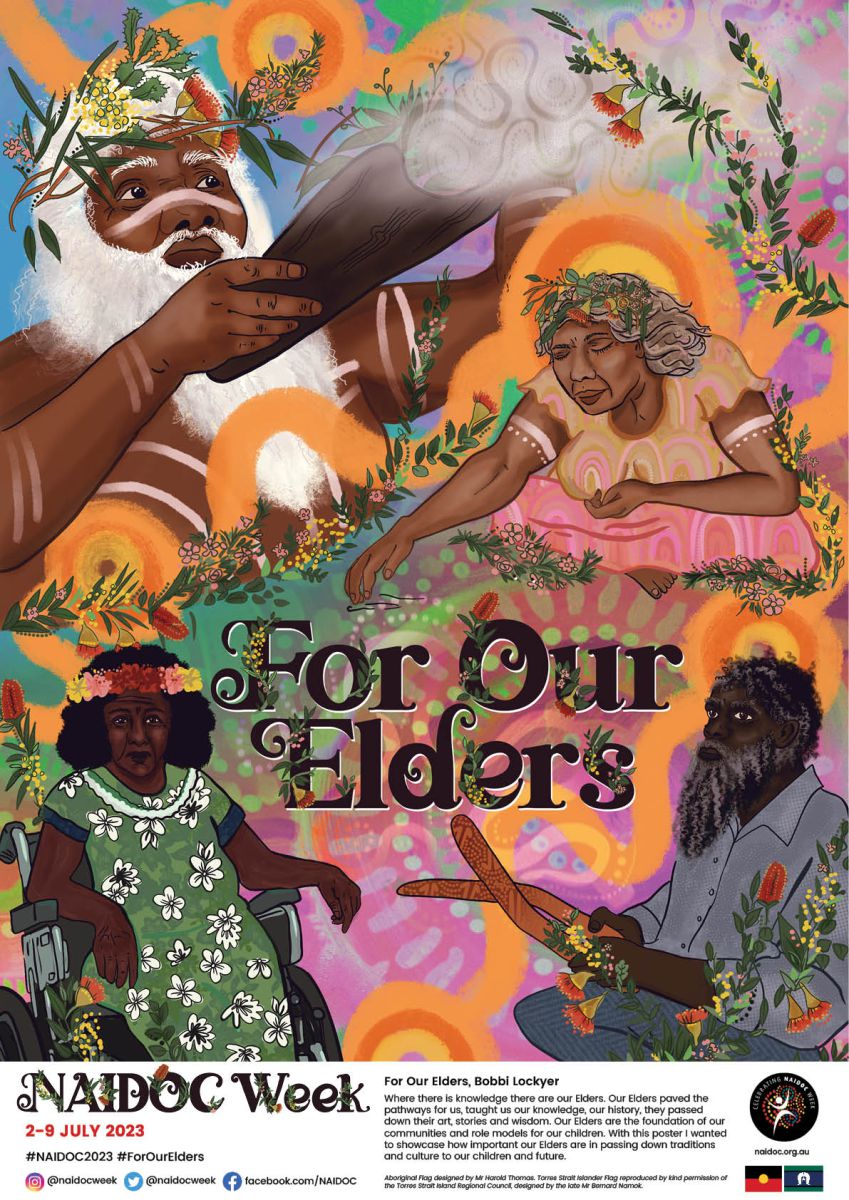
July 2nd to 9th is National NAIDOC Week. This years theme is ‘For Our Elders’.
Across every generation, our Elders have played, and continue to play, an important role and hold a prominent place in our communities and families. They are cultural knowledge holders, trailblazers, nurturers, advocates, teachers, survivors, leaders, hard workers and our loved ones. Our loved ones who pick us up in our low moments and celebrate us in our high ones. Who cook us a feed to comfort us and pull us into line, when we need them too.
They guide our generations and pave the way for us to take the paths we can take today. Guidance, not only through generations of advocacy and activism, but in everyday life and how to place ourselves in the world. We draw strength from their knowledge and experience, in everything from land management, cultural knowledge to justice and human rights. Across multiple sectors like health, education, the arts, politics and everything in between, they have set the many courses we follow.
The struggles of our Elders help to move us forward today. The equality we continue to fight for is found in their fight. Their tenacity and strength has carried the survival of our people. It is their influence and through their learnings that we must ensure that when it comes to future decision making for our people, there is nothing about us – without us.
We pay our respects to the Elders we’ve lost and to those who continue fighting for us across all our Nations and we pay homage to them.
This winter, we know what to do to stay well. The good news is, getting your flu shot, and staying up-to-date with your COVID-19 vaccinations, will help you, and the people around you, stay well. Along with simple things like staying home if you’re unwell, these routine winter vaccinations can protect what’s most important to you.
You can get both vaccines at the same time. Book now with your pharmacist or doctor.
Go to betterhealth.vic.gov.au to find out how to stay well this winter
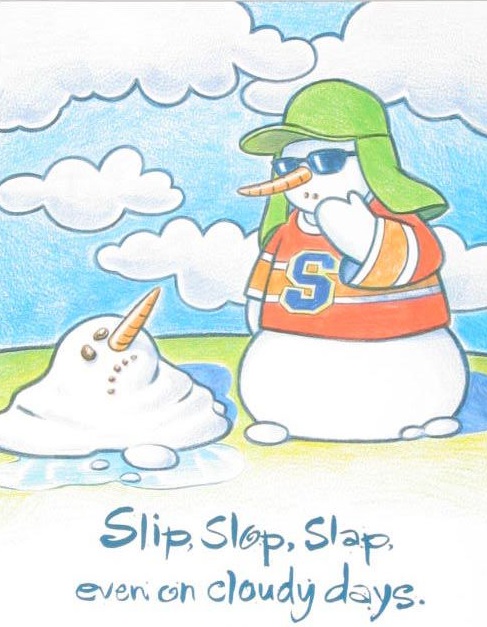
With summer now over and winter well and truly on the way don’t become complacent with your sun protection. You need to take sun protection measures all throughout the year, even on cloudy and overcast days.
Skin cancers and sun damage are caused by UV rays, not the temperature. UV radiation causes sunburn, cell damage in the skin and skin cancer. It really doesn’t matter what the temperature is as the UV level on a cold day could still be as high as it is on a sunny day. UV is present all year round.
Make sure you check the recommended sun protection times and UV level rating on any weather app, or download the Cancer Councils SunSmart app.
When the UV rating is 3 or above, sun protection is recommended.
Sun damage and skin cancer is easily preventable with the proper sun protection measures. It is one of the most preventable cancers. 92% of Melanomas are diagnosed in people over the age of 40, with almost 2000 Australians dying from this almost preventable disease each year.
Don’t become a statistic. Check the UV rating. Protect your skin. Be SunSmart.
Did you know, twice as many men as women die from melanoma each year in Australia? Fortunately, most skin cancer can be prevented by using good sun protection when the UV level is 3 or above.
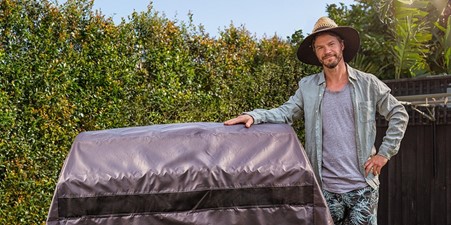
When you cover things they last longer. Same goes for you and your skin.
Men are great at protecting their family and possessions like their BBQ, however, often forget that they too need to be covered up and protected. That’s why our latest campaign is calling on you to use sun protection, and ensure you are around for your family’s future.
As Australia has one of the highest rates of skin cancer in the world, and it is the most common cancer diagnosed in Australia, make sure you protect your skin. At its most aggressive, skin cancer can spread to internal organs like the lungs and brain and become deadly quicker than you think.
There are five forms of sun protection.
It’s never too late to improve your sun protection, whether you’re six months or 60 years old.
You can reduce your risk by using all five forms of sun protection. The good news is if you cover things, they last longer. Same goes for you and your skin at any age! Watch our sun protection video below and Slip, Slop, Slap, Seek, and Slide.
Noticed a change on your skin? Don’t put off getting it checked.
The sooner skin cancer is found, the easier it is to treat. If you notice anything new or changing on your skin, don’t put it off and go to your GP immediately. Finding skin cancer early gives you the best chance of survival and reduces the need for invasive treatment and surgery. So, get to know your skin and what’s normal for you.
If you find anything new or changing, don’t delay, see your GP immediately.